
 By
By 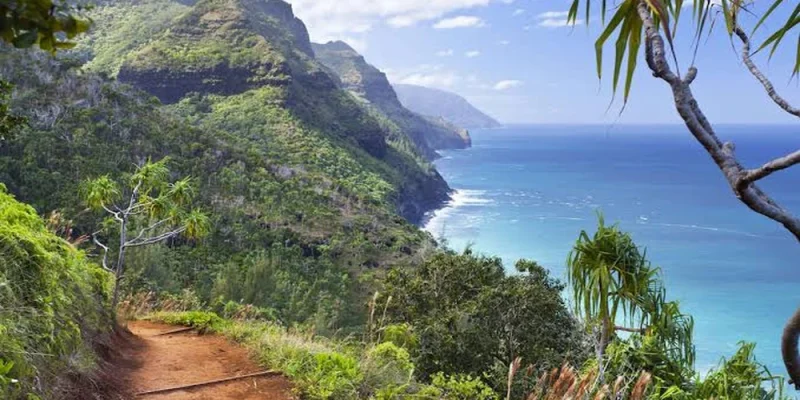
Most visitors lose their best Kauai hours to a windshield. I did it on my first trip. I drove from Poipu to Hanalei and back in one day, spent five hours in the car, and saw the island through glass the whole time. The island rewards people who pick a side and stay on it.
So here’s the promise: by the end of this piece you’ll know how to anchor a day around two or three stops instead of eight, how to sequence them so weather and traffic work for you, and how to slot in a booked activity without blowing up the rest of your plan. The preview is simple. Pick a coast, pick a window, and let the terrain set your pace.
Why the Drive Time Is the Trap
Kauai looks small on a map. It isn’t, not in practice. The main highway doesn’t circle the island, so any trip between the south shore and the north shore means doubling back through the same stretch of road. Weather can double your drive time too. The island sits in the path of steady trade winds, and rain bands move across it fast, which you can see for yourself on the National Weather Service radar before you leave.
That’s why I tell people to split their stay rather than their days. Base yourself south for the beaches and the zipline country, base yourself north for the lush stuff, and stop trying to see both in a single afternoon. You’ll spend less time behind a wheel and more time actually out there.
Pick Your Coast, Then Pick Your Window
The south shore earns its reputation for good reason. Poipu and the Koloa area catch more sun than the north, and the terrain around the old sugar plantation land is open and dramatic in a way that photographs well even in flat light. The north shore gives you the fluted cliffs and the wet green valleys. Both are worth your time. Neither is worth a two hour commute each way.
For timing, think in halves. Mornings are calmer and cooler. Afternoon clouds build over the interior, and if you’re hiking anything with elevation you’d rather be down before the ground gets slick. I’d take a 9 a.m. start over a noon start every single time.
What to Book Ahead and What to Leave Loose
This is where most itineraries go wrong, and it’s where I’d spend my planning energy. Anything with a guide, a harness, or a boat attached needs a reservation. Beach time, lookout stops, and shave ice do not.
I’d build a day like this:
- Morning slot: one booked activity, ideally first or second departure of the day.
- Lunch: somewhere within fifteen minutes of where you’ll be, not back at your hotel.
- Afternoon: one beach or one short trail, chosen for the side of the island you’re already on.
- Golden hour: a lookout or a coastline stretch you can walk to without a plan.
That’s four blocks. Nobody needs more structure than that, and rigid hour-by-hour schedules fall apart the moment you find a beach you don’t want to leave.
One caution if you’re booking a guided flight or zipline: the weight and age limits are real, and you’ll be asked about closed toe shoes because your toes have to be covered. Read the operator’s own page before you pay, not a third party summary. The details that matter live on the operator’s site.
And a word on the saddleback mountain profile you’ll see from the air or from a ridge. Some of the state’s most distinctive native habitat sits on those steep slopes, and the National Park Service manages a large share of the protected land on the island. Respect the closures. They exist because people ignored them for decades.
A Concrete Day That Actually Works
Here’s a real version, the kind I’d hand a friend. You stay south. You wake early, eat something quick, and drive fifteen minutes to your morning booking. You spend three and a half hours on a guided flight over the plantation land, through jungle canopy, past reservoirs, and along a mountain ridge with the coast on your right the whole way. You’re back on solid ground by early afternoon, hungry and a little wired.
Lunch near Koloa. Then a slow beach afternoon within ten minutes of your car. Then you drive out to a west side lookout and watch the light go orange against the ridges. Nobody drives more than twenty minutes at a stretch. That’s the whole trick.
If you want a booked anchor for that morning, look at a tour that runs the longest lines on the island and offers hands free, tandem, or backward positioning, which honestly is the reason to pick a longer course over a shorter one. You’re not paying for extra minutes in the air. You’re paying for a course with enough variety that it doesn’t feel like the same ride eight times. A proper scenic outdoor adventure in Kauai should give you jungle, water, mountain, and coast in one pass, and the operator’s site is where you check the current price, age minimum, and departure times rather than relying on a blog from three years ago.
The Gear That Decides Your Day
I’ve watched people get bounced off a trail because they wore sandals, and I’ve watched people ruin a nice afternoon because they wore a tank top under a full body harness. Both are avoidable.
Closed toe shoes. Longer shorts or pants. A fitted cap your helmet can sit over, not a wide brim. Secure sunglasses, because you’re going from shade into direct sun when you cross above the forest line. Reef safe sunscreen, reapplied at lunch, since you’ll spend the second half of the day in open light.
Bring a light layer even when the forecast looks perfect. Wind at elevation and rain in the valleys don’t follow the beach forecast, and a $30 rain shell has saved more island days than any itinerary app. Leave the cotton hoodie at the hotel unless you enjoy wearing a wet sponge.
One more thing worth understanding: the islands sit at the warm end of a very long ocean, and the reefs and coastlines that make this place look the way it does are studied and tracked by researchers at the University of Hawaii. When you hear locals talk about protecting the shoreline, they’re not being dramatic. That coastline is the product.
Mistakes I’d Avoid Next Time
Don’t stack two booked activities in one day. You’ll be tired, you’ll be rushed, and you’ll spend the gap between them stressed about traffic.
Don’t chase every Instagram spot. Half of them are on private land, and the other half are twenty minutes apart with no legal parking.
Don’t skip the sunset. Plenty of people eat dinner at 5:30 and miss the best thirty minutes of the island. Eat later, or eat light and eat outside.
Don’t assume the weather on your side of the island matches the other side. Check the radar, then check it again at lunch.
The Short Version
Choose one coast per day. Book one guided activity, ideally in the morning. Keep lunch and your afternoon within a short drive of it. Bring shoes that cover your toes and a layer you can get wet. Then stop planning and go stand somewhere with a view.
So which coast are you taking first, and what are you putting in that morning slot?





Comments