
 By
By 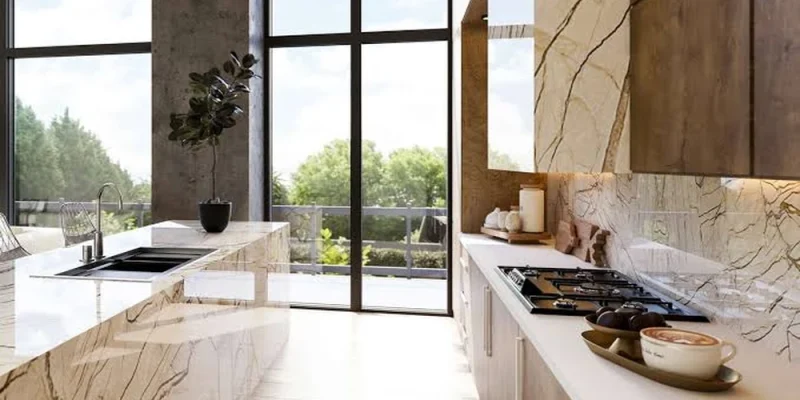
Your countertop finish is making a first impression before any buyer even opens a cabinet. Polished stone screams “this kitchen was built to impress.” Honed stone says “comfortable, modern, low-key luxe.” Leathered stone whispers “this homeowner did their research.” And buyers notice, even when they don’t know the terminology.
Most homeowners obsess over the stone type and completely ignore the finish. That’s a mistake. Two kitchens with identical granite slabs can feel like completely different price brackets depending entirely on how the surface was treated. Getting this right before you list, or even before you remodel, can affect how buyers perceive the entire home.
Why the Finish Conversation Is Bigger Than Most Sellers Realize
Home improvement spending is at record levels. Overall annual homeowner spending on improvements is expected to reach $518 billion by the end of 2026, according to the Harvard Joint Center for Housing Studies’Leading Indicator of Remodeling Activity. That’s a lot of countertops being installed, replaced, and second-guessed.
With that kind of competition on the market, the projects that stand out aren’t always the biggest ones. A thoughtful finish choice on an existing stone surface costs a fraction of a full slab replacement and can completely reframe a buyer’s perception of quality. The finish is one of the few low-cost levers you still have.
So before you decide anything, you need to understand what each option actually delivers, because they’re not interchangeable.
The Three Finishes, Honestly Assessed
Let’s be direct about what polished, honed, and leathered stone actually are, rather than what showroom descriptions want you to think they are.
Polished stone is ground and buffed to a mirror shine. It reflects maximum light, makes colors pop, and photographs beautifully. The drawback is that it shows everything: fingerprints, water rings, smudges. In a heavily used kitchen, polished marble or limestone looks great in the morning and needs a wipe-down by noon. For granite, it holds up better to daily abuse, but you’re still dealing with glare and that formal, slightly dated aesthetic that peaked around 2008.
Honed stone is ground to a smooth, flat, matte surface. No shine, no glare, just a clean velvety face. It absorbs rather than reflects light, which reads as calm and deliberate. Interior designers have been specifying honed surfaces for high-end projects for years now because it photographs with that editorial-magazine quality. The tradeoff is that honed surfaces, especially marble, are more porous than polished ones and require proper sealing to avoid staining. Maintenance isn’t harder, just different.
Leathered stone is brushed with diamond-tipped tools after honing, which raises the natural texture of the stone’s surface. It keeps most of the color depth, adds a subtle sheen, and hides fingerprints and water spots better than either of the other two finishes. It also feels different under your hands, which is genuinely interesting in a tactile way. Leathered is the hardest finish to replicate cheaply, which is exactly why it signals craftsmanship to a discerning buyer.
The Finish-First Framework: Match the Finish to the Buyer, Not Just the Stone
Here’s a framework I’d actually use when making this decision. Think about your buyer before you think about your preference.
Ask three questions about who’s most likely to buy your home:
- Do they prioritize visual drama or quiet sophistication?
- Will they use the kitchen heavily, or is it mostly for show?
- Are they buying a forever home or a stepping stone?
A buyer after visual drama and “wow factor” for a first-time purchase will respond to polished stone. It photographs well, it’s bold, and it reads as expensive to someone who hasn’t spent time in high-end kitchens. That buyer exists, and ignoring them is a mistake in certain price brackets.
A buyer who entertains regularly and cooks seriously wants honed or leathered stone. They know that polished marble is going to look destroyed in six months without obsessive upkeep. They want a surface that lives well, and they’re usually willing to pay more for it because they understand the quality signal.
A buyer purchasing a forever home at the upper end of your market? Leathered stone almost always wins. It’s specific, it’s rare, and it demonstrates that you didn’t take the default path.
What the Market Data Actually Tells Us
Stone isn’t going anywhere as the dominant countertop material for premium kitchens. According to a 2025 Grand View Research analysis of the U.S. countertops market, granite countertops accounted for the largest market share at 27.9% of the domestic countertop sector. Buyers shopping in the mid-to-upper price range overwhelmingly expect natural stone, which means your finish choice is competing within an already discerning audience.
That context matters. When granite is the baseline expectation, the finish is what differentiates a standard kitchen from one that buyers remember. Nobody talks about “the granite kitchen.” They talk about “the one with that incredible matte countertop” or “the one with the textured stone that felt like it came out of a design magazine.”
A Real Scenario: What This Looks Like in Practice
Take a 2,200-square-foot home in a competitive suburban market, priced at $580,000. The kitchen has Ubatuba granite installed five years ago with a standard polished finish. It’s in good condition. The seller has two choices before listing: professional cleaning and re-seal, or getting the surface leathered by a qualified stone fabricator.
Re-sealing costs a few hundred dollars and makes the existing finish shine again. Leathering the same slab runs closer to $1,500 to $2,500 depending on square footage and market, but it permanently changes the character of the stone. The texture highlights Ubatuba’s natural movement and makes the dark green and gold flecks read as intentional, not incidental. Buyers who didn’t know they had a preference will stop at that counter.
That’s not a renovation. That’s a repositioning. And it’s the kind of detail that a listing agent can actually talk about during a showing, which helps the buyer build a story around the purchase.
For anyone who wants to get granular about the current finish options before committing to one direction, understanding the difference between leathered, honed, and polished stone is genuinely the starting point. Desert Eagle Stone’s breakdown of the difference between leathered, honed, and polished stone is a solid reference that explains how each treatment interacts with different stone types, which matters because honing marble behaves differently than honing granite.
A Quick Comparison Table
| Finish | Surface Feel | Light Reflection | Maintenance Level | Best Buyer Profile |
|---|---|---|---|---|
| Polished | Smooth, glassy | High | Frequent wiping | Visual-first, entry luxury |
| Honed | Smooth, matte | Low | Seal regularly | Modern minimalist, heavy cook |
| Leathered | Textured, slight sheen | Medium | Easiest daily upkeep | Design-literate, forever-home buyer |
The Practical Checklist Before You Decide
Use this before committing to any finish, whether you’re remodeling or prepping to sell:
- Identify your stone type first. Softer stones like marble hone beautifully but leathering can be tricky depending on the slab’s porosity.
- Get a sample. Any reputable fabricator will finish a small offcut so you can see the actual result on your specific stone, not a display piece.
- Photograph it in your actual kitchen lighting. What reads warm in a showroom under halogen can look gray in your north-facing kitchen under LED.
- Ask the fabricator about sealing requirements after finishing. Leathered stone is forgiving day-to-day, but the initial seal matters.
- Factor in the buyer demographic for your neighborhood, not just your personal taste.
The Bottom Line
Kitchens keep their status as the single most impactful room in a home sale. The 2026 Houzz Renovation Trends study, reported by the Composite Panel Association, found that kitchens remained the most popular room to renovate at 26% of respondents, with median kitchen renovation spend rising 9.1% to $24,000 in 2025. Buyers know this room matters, which means they look harder at it than anywhere else in the house.
Your countertop finish is one of the first details they absorb. It shapes whether a kitchen feels considered or generic, premium or commodity. Get it right, and buyers will remember the kitchen long after they’ve forgotten the square footage.
“Upward trends in both remodeling permit activity and single-family home sales suggest that demand for home improvement will remain stable in the coming year.”
Rachel Bogardus Drew, Director of the Remodeling Futures Program, Harvard Joint Center for Housing Studies, October 2025
You don’t need a full kitchen gut to make an impression. Sometimes a different finish on what’s already there is the most direct path to the result you want.





Comments