
 By
By 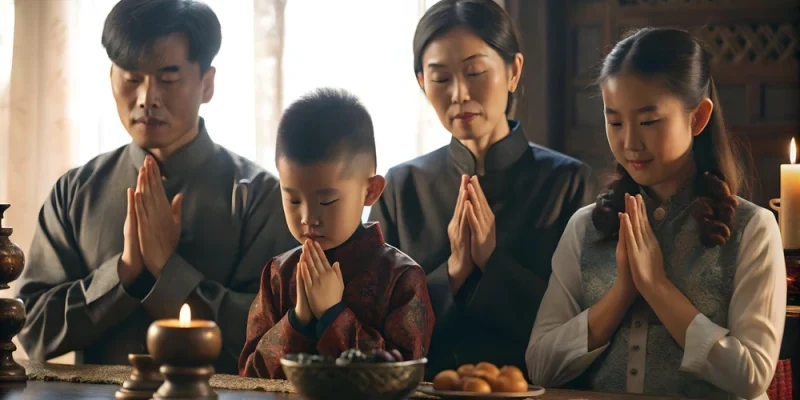
Key Takeaways
- Buddhist funeral services vary depending on traditions, family preferences, and cultural practices.
- Buddhist funerals are centred on honouring the deceased and supporting their spiritual journey rather than following a fixed ceremony.
- Rituals, chanting, and offerings each have symbolic meanings and are not performed without purpose.
- Funeral arrangements can be adapted while still respecting Buddhist principles.
- Choosing an experienced provider for a funeral service in Singapore helps families organise ceremonies according to their beliefs.
Introduction
Buddhist funeral services in Singapore are often misunderstood because they combine religious teachings with cultural customs that differ across Buddhist traditions and family backgrounds. Many people assume that every Buddhist funeral follows exactly the same format or that all rituals are compulsory. In reality, practices can vary significantly depending on the family’s beliefs, the temple involved, and the wishes of the deceased. Understanding these misconceptions helps families make informed decisions when planning funeral arrangements while respecting Buddhist values.
Misconception 1: Every Buddhist Funeral Is Exactly the Same
One of the most common misunderstandings is that every Buddhist funeral follows an identical structure. While Buddhism shares core teachings about impermanence, compassion, and the cycle of life, funeral ceremonies are not universally standardised. Different schools of Buddhism, such as Mahayana, Theravada, and Vajrayana, observe different traditions and rituals. Families may also incorporate cultural customs that have been passed down through generations. As a result, Buddhist funeral services may differ in the number of chanting sessions, the duration of the wake, the types of offerings presented, and the order of ceremonial activities. These differences do not make one funeral more authentic than another but instead reflect the diversity within Buddhist communities.
Misconception 2: All Rituals Are Performed Without Meaning
Some people believe Buddhist funeral rituals are simply traditional practices with little practical significance. In reality, each ritual is intended to express respect for the deceased and encourage reflection among family members and guests. Chanting is performed to cultivate peace and compassion while dedicating merits to the deceased. Offerings such as flowers remind attendees of the temporary nature of life, while candles and incense symbolise wisdom and mindfulness. Rather than being performed out of obligation, these rituals serve as meaningful expressions of Buddhist teachings and provide emotional support during bereavement.
Misconception 3: Buddhist Funerals Must Be Elaborate
Another misconception is that Buddhist funerals always involve elaborate ceremonies and costly arrangements. Although some families choose extended wakes or larger ceremonies, Buddhist teachings generally emphasise simplicity over extravagance. The scale of the funeral often depends on family preferences, available resources, and practical considerations rather than religious requirements. Many families choose modest ceremonies that focus on paying respects and observing meaningful rituals. A professional funeral service in Singapore can help families organise arrangements that suit both their beliefs and their circumstances without unnecessary additions.
Misconception 4: Cremation Is Always Required
People often assume that Buddhism requires cremation in every case. While cremation is common among many Buddhist communities because it reflects the impermanent nature of the physical body, it is not an absolute religious requirement. Burial is also accepted in certain Buddhist traditions or when family circumstances make it the preferred choice. The decision often depends on personal wishes, family traditions, available burial facilities, and local regulations rather than strict religious rules. Families are generally encouraged to choose arrangements that honour the deceased respectfully while remaining consistent with their values.
Misconception 5: Only Buddhists May Attend the Funeral
Some individuals hesitate to attend a Buddhist funeral because they believe only practising Buddhists are welcome. In fact, Buddhist funerals are generally open to relatives, friends, colleagues, and anyone wishing to pay their respects. Guests are not expected to participate in religious chanting if they are uncomfortable doing so. Simply attending respectfully, observing the ceremony, and offering condolences are considered appropriate. Funeral providers often explain basic etiquette to visitors so that everyone understands how to behave respectfully throughout the service.
Conclusion
Misunderstandings surrounding Buddhist funerals can make funeral planning more confusing than necessary. Recognising that ceremonies vary according to tradition, that rituals have meaningful purposes, and that arrangements can be adapted to individual circumstances allows families to make informed decisions with greater confidence. By understanding these common misconceptions, families arranging a Buddhist funeral service can work with experienced providers to organise a respectful funeral service in Singapore that reflects both Buddhist teachings and the wishes of the deceased.
Connect with Casket FairPrice to better understand the available arrangements, ceremony options, and practical considerations for organising a respectful service.





Comments