
 By
By 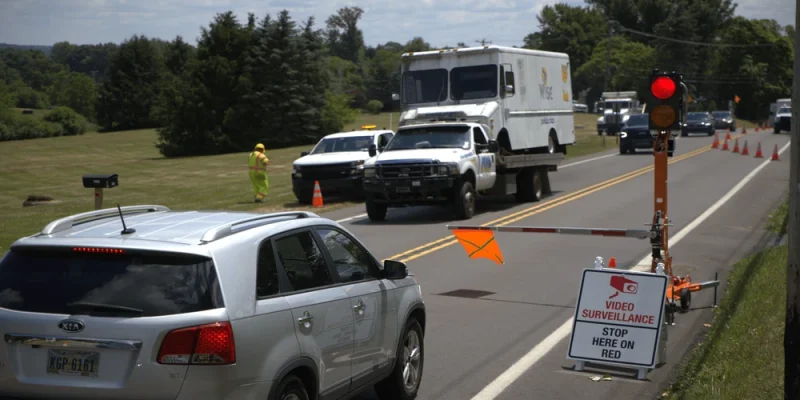
It only takes a single oversight on a busy roadway for chaos to erupt. With lives and livelihoods on the line, the safety priorities behind professional traffic management are anything but negotiable. Each day, flaggers, engineers, and planners quietly orchestrate the safe flow of vehicles and pedestrians, transforming potentially hazardous work zones into controlled environments. But how did these practices evolve, and what drives the relentless focus on safety today?
Early Foundations of Traffic Management Safety
Long before the digital age and smart sensors, communities grappled with the basic challenge of moving people and goods safely through shared spaces. As road networks expanded, so did the frequency of collisions and confusion.
Origins of Traffic Control and Initial Safety Challenges
The earliest traffic control efforts were often reactive, springing up after tragedy struck. Makeshift signs and human flaggers became the first line of defense, especially at intersections and construction sites where visibility was poor. The emphasis was always on clear communication, yet accidents were common due to limited tools and inconsistent practices.
Early Tools and Techniques for Managing Traffic Flow
Simple flags, hand signals, and barricades marked the beginnings of organized traffic control. While effective in small towns, these methods struggled to keep pace with larger, faster cities. As automobiles multiplied, the need for trained professionals and standardized practices became clear.
The Role of Flagging Crews in Two-Lane Road Safety
Flagging crews remain one of the most visible symbols of traffic safety today. On two-lane roads, they are critical for redirecting vehicles when a lane is closed, ensuring both workers and the public reach home safely. This human element, guided by rigorous training, still forms the backbone of safe roadwork.
Emergence of Professional Traffic Management Companies
As construction and urbanization accelerated, so did the complexity of keeping work zones and the traveling public safe. The answer? Dedicated traffic management companies.
Standardizing Traffic Control Practices
Professional firms brought order to the chaos, introducing checklists and protocols that removed guesswork from the field. By standardizing how work zones are set up and managed, they reduced accident rates and improved efficiency.
The Rise of Specialized Services: Flagging, Lane Closures, and Traffic Control Plans
Services diversified. Flagging, lane closures, and customized traffic control plans all became specialized offerings, each demanding unique expertise. Companies like Salus Traffic Control exemplify this shift, delivering tailored solutions based on a careful assessment of every project’s risks and requirements.
Adoption of Regulatory Guidelines like OTM Book 7
The adoption of documented guidelines, such as Ontario’s OTM Book 7, further professionalized traffic safety. These frameworks ensure that every lane closure or detour meets a minimum safety threshold and can withstand regulatory scrutiny.
Core Safety Priorities in Modern Traffic Management
Behind every orange vest and barricade is a set of core safety priorities. First and foremost: ensuring every worker and traveler gets home without incident.
Protecting Workers and the Traveling Public
The stakes are highest for the people exposed to risk. Roadside workers face dangers from distracted drivers and unpredictable conditions, while drivers rely on early, clear warning signs to adjust their routes safely.
Balancing Safety with Efficiency on the Road
While safety is never compromised, time and cost pressures are real. Efficient setups mean less disruption for drivers and a quicker return to normalcy. Striking this balance requires experience and careful planning.
Building Reliability into Every Project
Reliability is a silent yet critical priority. Clients and municipalities expect traffic solutions to work the first time, every time. Companies build reputations on being ready, rain or shine, to deliver safe, compliant closures.
Technological Advancements Shaping Traffic Safety
Innovation continues to push traffic management into new territory.
Innovations in Traffic Control Equipment and Signage
Modern LED signs, portable traffic lights, and collapsible barriers provide more visibility and faster deployment than ever before.
Use of Real-Time Monitoring and Adaptive Traffic Systems
The integration of real-time cameras and adaptive traffic systems allows teams to respond instantly to changes, whether it’s a sudden traffic jam or an unexpected hazard.
Digital Permitting and Customized Traffic Control Plans
Applying for road occupancy permits and creating site-specific plans is now faster and more flexible, thanks to digital tools. These advancements let companies tailor every closure for maximum safety.
The Evolution of Training and Workforce Development
Safety culture depends on human expertise.
Importance of Skilled and Well-Trained Personnel
Even the best technology is only as effective as the people using it. Ongoing training ensures staff can adapt and respond to evolving risks.
Family-Owned Business Models and Their Impact on Safety Culture
Family-owned companies often foster deep-rooted accountability, where every worker’s welfare is personal. This culture of care trickles down to the quality of service and safety delivered.
Continuous Education and Certification Standards
The bar for certification keeps rising, reflecting the industry’s commitment to ongoing education and skill development.
Customization and Flexibility in Project-Specific Traffic Solutions
No two projects are identical; neither are their safety requirements.
Assessing Unique Project Needs for Tailored Safety Approaches
From major highways to local streets, traffic management companies carefully assess site-specific hazards, traffic volumes, and community needs.
Adapting Traffic Management to Urban vs. Rural Environments
Urban settings demand rapid responses and frequent adjustments, while rural projects may prioritize visibility and longer warning zones.
Case Studies of Flexible Traffic Control Implementations
Flexible, adaptive approaches have become the norm, with companies regularly handling last-minute changes without sacrificing safety.
Future Trends Influencing Traffic Management Safety
The horizon promises even greater change, with safety still at the forefront.
Integration of Autonomous Vehicles and Smart Infrastructure
As vehicles become smarter, so must the systems guiding them. Integrating real-time data and predictive models will soon be standard.
Increasing Emphasis on Environmental and Community Impact
Traffic management is no longer just about cars; it’s about minimizing noise, emissions, and inconvenience for neighborhoods.
Predictive Analytics for Proactive Safety Measures
Data-driven models allow companies to anticipate risks and deploy resources where they’ll have the most impact.
The Human Element: Responsibility and Ethics in Traffic Management
For all the technology and protocols, the heart of traffic management is human responsibility.
Commitment to Worker and Public Safety as a Core Value
The best companies treat safety not as a rule, but as a value, one that guides every decision.
Building Trust Through Transparent Communication and Reliability
Clear communication with the public, clients, and workers builds the trust needed to manage even the most complex projects.
The Role of Leadership in Cultivating a Safety-First Mindset
Leaders set the tone, championing accountability and ensuring every team member understands that their work keeps families safe on the road.
Ultimately, professional traffic management is a promise kept every day: that safety comes first, no matter the challenge.







Comments